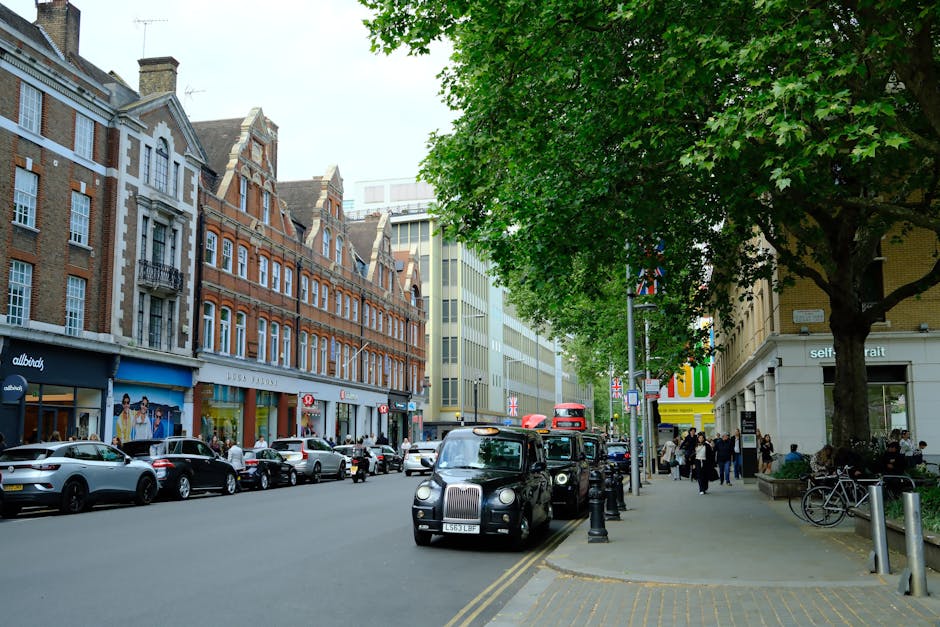
Marylebone High Street Moves: Best Times & Parking W1U
Posted on 22/05/2026
Marylebone High Street Moves: Best Times & Parking W1U
If you are planning a move around Marylebone High Street, the first thing to understand is that timing and parking can make or break the day. The street is busy, elegant, and often tighter than people expect. Add loading restrictions, passing traffic, residents, deliveries, and the usual London unpredictability, and a simple move can become a bit of a puzzle.
This guide to Marylebone High Street Moves: Best Times & Parking W1U is designed to help you plan sensibly, avoid unnecessary stress, and make better decisions before the van even arrives. Whether you are moving a flat, a family home, a small office, or a few large items, the same basic truth applies: good timing saves effort, and decent parking strategy saves money. Simple really. Not always easy, though.
Below, you will find practical advice on the best times to move, how parking tends to work in the area, what to watch out for, and how to prepare so the move feels organised rather than rushed. If you are also exploring service options, you may find it useful to look at the full services overview, man and van support in Marylebone, or a more focused flat removals service depending on the size of the job.
Why Marylebone High Street Moves: Best Times & Parking W1U Matters
Marylebone High Street sits in one of central London's most desirable and active pockets. That is great for access to transport, shops, cafes, and everyday convenience. It also means moving day needs more planning than you might need in a quieter part of town.
The main challenge is not distance. It is friction. Traffic pauses. Pavements stay busy. Delivery vehicles come and go. Residents need access. And if your van cannot stop close enough, every box becomes a little more annoying to carry. That is where timing and parking strategy come in.
For anyone moving in W1U, the aim is to reduce waiting time, avoid parking penalties, and keep your removal team working instead of circling the block. In our experience, the difference between a smooth move and a long, draining one is often just a two-hour window and a sensible loading spot.
If you are comparing local support options, it can help to read about removal services in Marylebone or check pricing and quotes early so you understand what level of help fits your move.
Key point: in Marylebone, moving well is usually less about brute force and more about good timing, clear access, and not improvising parking at the last minute.
How Marylebone High Street Moves: Best Times & Parking W1U Works
The basic idea is straightforward: you choose a moving time that avoids peak congestion, arrange access with the property if needed, and line up a van position that keeps walking distance short and loading safe. The detail is where things get interesting.
On Marylebone High Street and the surrounding roads, the best move slots are usually the ones that avoid the heaviest commuter pressure, school-run patterns, and peak retail footfall. Early morning often works well because the street is calmer, loading spaces are easier to use, and your team can get started before the area becomes lively. Midday can work for smaller moves, but it is less forgiving if there is a delay. Late afternoon may sound convenient, yet it is often the least predictable.
Parking needs equal attention. You may be dealing with controlled parking zones, resident bays, pay-and-display areas, yellow line restrictions, or loading-only rules depending on the exact position on the street and nearby roads. The point is not to memorise every sign from memory, because who has time for that? The point is to check the kerbside options before move day and have a backup plan if your first choice is occupied.
That is also why moving smaller loads with a man with van in Marylebone or a flexible man and van option can be genuinely useful. It is often easier to position a compact vehicle in a tighter street than to force a larger lorry into a space that was never really built for it.
A sensible move in this area usually follows a pattern:
- Confirm the property access times and lift availability.
- Check whether parking suspension or bay permission is needed.
- Book the move for a quieter time of day.
- Prepare items so loading is fast, not improvised.
- Keep the contact number for your mover handy in case the plan shifts a little.
Key Benefits and Practical Advantages
There is a real payoff to planning Marylebone High Street moves properly. It is not just about avoiding hassle, although that alone is reason enough on a wet Tuesday morning when the boxes are piling up.
Better timing gives you:
- Less waiting time for the van and crew
- Lower risk of parking problems or rushed loading
- Fewer interruptions from nearby traffic and pedestrians
- More predictable costs because delays are reduced
- Less physical strain from carrying items further than necessary
Better parking planning gives you:
- a safer loading point
- shorter carry distances for furniture and boxes
- better protection for fragile items
- a calmer, more professional move overall
For people relocating a full household, this becomes even more important. If you are arranging a full property move, house removals in Marylebone can be planned around the street's real conditions, not just the address on the paperwork.
And for those moving something more specialised, say a delicate upright or grand, a dedicated piano removals service is worth considering because the parking spot, carry route, and timing all matter a lot more than most people expect.
Who This Is For and When It Makes Sense
This topic matters to a wide range of people, not just one type of mover. Marylebone High Street is surrounded by homes, flats, offices, and mixed-use buildings, so the moving needs are varied.
You are likely to benefit from this guidance if you are:
- moving into or out of a Marylebone flat with limited street access
- relocating a family home nearby
- moving office furniture or stock
- handling a same-day or short-notice move
- delivering bulky items to a building in W1U
- arranging a student move with a tight budget and tight timetable
Students, for instance, often underestimate how long it takes to move even a modest amount of stuff when parking is awkward. One suitcase is fine. Two boxes, a lamp, a chair, and a desk? That is suddenly a proper logistical exercise.
If that sounds familiar, student removals in Marylebone can be a practical fit. If your move is urgent, same day removals may also help, provided the access situation is realistic and you are ready to load promptly.
This guidance also suits people who want to understand the area a bit more before moving. Reading about Marylebone's mix of culture, history, and modern life can give you a useful feel for why the streets behave the way they do. It is not a suburb with endless roadside space. It is a central London neighbourhood with character, traffic, and its own rhythm.
Step-by-Step Guidance
Here is a practical way to plan a move around Marylebone High Street without overcomplicating it.
- Check the property access early. Find out whether there is a lift, a loading entrance, a concierge, or any time restrictions. Some buildings are wonderfully organised. Others... less so.
- Map the closest loading options. Look at the street itself and the nearby side roads. Sometimes the most obvious spot is not the most usable one.
- Choose a sensible time window. Early morning is often the safest bet for a smoother flow. If you can avoid rush-hour pressure, do it.
- Prepare everything before the van arrives. Boxes sealed, labels clear, furniture dismantled where possible, and valuables separated.
- Reserve or confirm parking support if needed. If a suspension, permit, or agreed loading area is required, do not leave it until the night before.
- Load in a logical order. Heavy items first, fragile pieces protected, and small loose things packed together so they do not vanish into the back of the van.
- Keep a contact chain. The driver, building contact, and your own phone should all be ready in case the traffic changes the plan.
A small but important tip: if you are moving into a flat with narrow hallways or awkward turns, measure the awkward bits before move day. That one usually saves a lot of sighing.
For packing support, packing and boxes in Marylebone can be helpful if you want better materials or simply do not want to spend your whole weekend hunting for tape.
Expert Tips for Better Results
After enough moves in central London, a few patterns become obvious. None of these are flashy, but they work.
1. Aim for the quietest practical window
Very early morning is often the easiest time to work around Marylebone High Street, especially if you need a kerbside stop. Fewer passing vehicles, fewer pedestrians, and a more relaxed start. Mid-morning can still be fine for smaller moves, but the street gets busier fast.
2. Use the right vehicle size
A compact van can sometimes save the whole day by fitting into a space a larger vehicle would struggle with. That said, you still need enough loading space inside. The right size is a balance, not a guessing game. If you are not sure, a removal van in Marylebone may offer a better fit than trying to improvise with whatever is available.
3. Break the job into zones
Do not treat the whole move as one giant pile. Separate fragile items, furniture, paperwork, and essentials. That way, if parking or lift access changes, the important stuff still moves first.
4. Build in a margin for the unexpected
There is always something. A delivery van. A blocked kerb. A key that appears to have gone on holiday. Allowing a little extra time takes the pressure off. Truth be told, that margin is often what makes the day feel manageable.
5. Keep safety visible
Clear walkways, stable boxes, and sensible lifting matter just as much on a short street move as they do on a big relocation. If you want to understand how a mover approaches this side of the job, insurance and safety guidance and a clear health and safety policy are worth checking.

Common Mistakes to Avoid
Most moving headaches in Marylebone are preventable. The common errors are not dramatic, just irritating and expensive in the aggregate.
- Booking too late in the day. The street gets busier and parking becomes less forgiving.
- Assuming parking will sort itself out. That is a bold strategy. Usually a bad one.
- Not checking building rules. Some properties have move-in windows, lift booking requirements, or concierge procedures.
- Overpacking boxes. Heavy boxes slow loading and increase the chance of damage.
- Leaving the packing to the last minute. This creates stress and slows the whole move.
- Forgetting about disposal or surplus items. If you have things to clear, plan for that too.
If you have clutter, old furniture, or boxes you do not want to take with you, it may be worth looking at furniture removals or storage options in Marylebone rather than cramming everything into a move you will regret by lunchtime.
And if you are dealing with an office relocation, the stakes are different again. Office removals in Marylebone need tighter planning because staff access, documents, and downtime all matter.
Tools, Resources and Recommendations
You do not need a huge toolkit, but a few practical resources will make moving around Marylebone High Street much easier.
- Measuring tape for doorways, furniture, and awkward corners
- Labels and marker pens so boxes can be identified quickly
- Furniture blankets and straps to keep items secure in transit
- Boxes in different sizes so heavy items are not crammed into oversize cartons
- Contact numbers for your mover, building manager, and anyone helping at either end
For a broader view of what a removal team can do, removals in Marylebone and comparison of local removal companies can help you choose the right level of support.
It can also be helpful to look at nearby service and local context pages if you are still deciding how much support you need. For example, local experiences in Marylebone can give a better feel for day-to-day living, while buying guidance for Marylebone property may help if your move is tied to a purchase.
Law, Compliance, Standards, or Best Practice
Parking and moving in central London should be handled carefully and in line with local restrictions. Exact rules vary by location, bay type, and time of day, so it is always wise to check the signs on the street itself and confirm any requirements with the relevant authority or building management if needed.
In practical terms, that means:
- do not assume a loading opportunity is unrestricted
- do not block access for residents, emergency services, or pedestrians
- use appropriate equipment and safe lifting methods
- follow any building instructions about lift booking or move-in times
- keep clear records if parking permission, suspension, or access approval has been arranged
Good operators also maintain clear service terms, payment procedures, and safety standards. If you want to review how that is handled, it can help to read about terms and conditions, payment and security, and the provider's approach to privacy and recycling and sustainability.
There is also a trust angle here. A move in W1U often involves personal belongings, access to private buildings, and sometimes short-notice changes. A mover who communicates clearly, respects access rules, and handles items carefully is worth more than one who just quotes a low number and hopes for the best. Lets face it, hope is not a parking plan.
Options, Methods, or Comparison Table
Different moving methods suit different situations. The right answer depends on volume, access, urgency, and how much heavy lifting you are comfortable with.
| Option | Best for | Strengths | Trade-offs |
|---|---|---|---|
| Man and van | Small to medium moves, flexible loading | Easy to position, usually quicker for tight streets | May require more self-packing and organisation |
| Full removal service | Larger home moves, more complex loads | More hands, better for furniture and multiple rooms | Usually needs more planning and coordination |
| Same-day move | Urgent relocations, short notice | Fast response, practical when timing is tight | Less room for detailed preparation |
| Storage-first approach | Moves with a gap between properties | Useful when dates do not align | Extra handling and temporary storage cost |
If your move is small and access is awkward, a man with a van or man with van setup often makes the most sense. If you are moving a larger household, a more structured removals service is usually the calmer route.
Case Study or Real-World Example
Picture a real-life Marylebone move on a weekday morning. A couple is moving from a top-floor flat near the high street into a new place a few streets away. They have furniture, boxes, a mirror, a small bookcase, and a few awkwardly shaped items that never look as big until you try to carry them downstairs.
They could have booked for later in the day, but instead they chose an early slot. That meant the van arrived before the street got fully busy. They had already packed the essentials and checked the building's lift access the day before. There was no last-minute wrestling match with packing tape, which is always a blessing.
The driver found a workable loading position close enough to avoid long carries. The team loaded the larger items first, kept fragile pieces separate, and moved steadily without stopping and starting every few minutes. By late morning, the move was done and the couple had enough energy left to actually unpack the kettle.
That is the real value of planning in this part of London. Not perfection. Just fewer surprises and a move that does not eat the whole day. If you are still at the planning stage, you may also find it helpful to review Marylebone property insights or the broader local guide on what makes Marylebone distinctive.
Practical Checklist
Use this before move day. It will save you from the usual little disasters.
- Confirm moving date and arrival time
- Check whether the property has lift or access restrictions
- Review street parking and loading options near the address
- Ask whether parking permission or suspension is needed
- Pack and label boxes clearly
- Separate valuables and essential documents
- Dismantle furniture where practical
- Protect fragile items properly
- Keep walkways clear at both ends
- Share your contact number with the mover
- Set aside cleaning items and a first-night essentials bag
- Arrange storage if there is a gap between properties
Quick summary: early timing, realistic parking planning, and sensible packing are the three biggest wins for a Marylebone High Street move. Get those right and the rest becomes much easier.
Conclusion
Marylebone High Street moves are very doable, but they reward careful planning. The best times are usually the quieter ones, the parking plan should be checked before the day arrives, and your moving method should match the size and shape of the job. Nothing fancy. Just solid preparation, a little local knowledge, and a realistic sense of timing.
If your move is in or around W1U, think about access first, convenience second, and speed third. That order tends to work best in a busy central London setting. And if your relocation is part of a bigger life change, take the pressure off where you can. A calm move is still possible. Honestly, it makes the whole week feel better.
For tailored support, clear guidance, and a straightforward next step, visit the contact page or explore the right service for your move. A little planning now can spare you a lot of hassle later, and that is usually worth its weight in boxes.
Get a free quote today and see how much you can save.