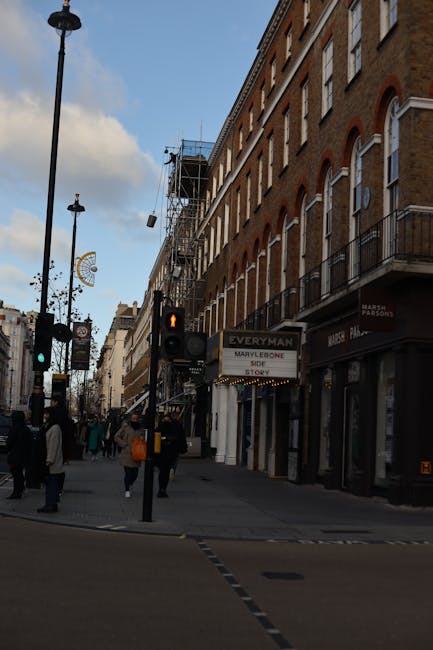
Westminster Council Parking Permits for Marylebone Moves: A Practical Guide for a Smoother Moving Day
Moving in Marylebone can feel deceptively simple right up until the van arrives and you realise the kerb outside your building is not, in fact, a friendly empty space. Westminster Council parking permits for Marylebone moves are one of those small details that can make a huge difference on the day. Get them right, and everything runs with less stress. Get them wrong, and you can lose time, rack up avoidable costs, and turn a tidy move into a scramble.
This guide breaks the whole thing down in plain English: why the permit matters, how it usually fits into a move, who needs to think about it, and what to do before the boxes start coming down the stairs. If you are planning a flat move near Baker Street, a family move off Marylebone High Street, or anything in between, you will want to sort the parking side early. It is the unglamorous bit, sure, but it is the bit that keeps the day moving. And to be fair, that is what everyone wants.
Contents
- Why Westminster Council Parking Permits for Marylebone Moves Matters
- How Westminster Council Parking Permits for Marylebone Moves Works
- Key Benefits and Practical Advantages
- Who This Is For and When It Makes Sense
- Step-by-Step Guidance
- Expert Tips for Better Results
- Common Mistakes to Avoid
- Tools, Resources and Recommendations
- Law, Compliance, Standards, or Best Practice
- Options, Methods, or Comparison Table
- Case Study or Real-World Example
- Practical Checklist
- Conclusion
- Frequently Asked Questions
Why Westminster Council Parking Permits for Marylebone Moves Matters
Marylebone is busy, elegant, and tightly packed. That is part of the charm. It also means roadside space is limited, loading opportunities are often time-sensitive, and small parking errors can snowball quickly. For any move that involves a van stopping near your address, the parking question is not just administrative. It directly affects whether your removals team can load efficiently, keep belongings safe, and finish within the booked time.
If you have ever watched a removals crew stand around while someone circles the block looking for a legal stopping point, you will know the feeling. It is a bit like trying to unpack a wardrobe in a hallway. Nothing disastrous, just awkward, expensive, and tiring. Planning parking in advance keeps the moving day calmer, which matters even more if you are juggling estate agent handovers, school runs, lift bookings, or a same-day completion.
Parking arrangements are especially important in streets around Marylebone High Street, Baker Street, the Portman Estate, and the quieter residential roads closer to Regent's Park. Many moves in these areas need a simple, practical setup: a legal place for the removal van to wait, enough room for loading, and a clear sense of timing. If you are also reading up on the local move process, our guides on Marylebone High Street moves and the best times to park in W1U and moving to Baker Street with practical route tips are useful companions.
How Westminster Council Parking Permits for Marylebone Moves Works
At a practical level, a parking permit or parking dispensation is about giving your move a lawful place to happen. In Westminster, that can involve different arrangements depending on the street, time of day, type of vehicle, and whether the area is controlled by loading restrictions, resident bays, yellow lines, or other parking rules. The exact wording and process can vary, so it is always worth checking the current local requirements before the move.
In everyday terms, there are usually three broad scenarios:
- Resident or visitor bay use - where a controlled bay may be used if the right permission applies.
- Loading or unloading activity - where stopping briefly for a move may be possible, but only within the rules.
- Special permission or dispensation - where a council-approved arrangement may be needed for a larger van, longer loading time, or a difficult street layout.
What catches people out is that "I am only there for an hour" is not the same as "I can park anywhere for an hour." Councils tend to care about the vehicle, the location, and the exact nature of the stop. A removal van outside a narrow Marylebone townhouse is not the same as a standard shopping stop. It sounds obvious when written down, but on moving day nerves make people improvise. That is usually when mistakes happen.
If your move involves fragile furniture, tight stairs, or a building with awkward access, it may help to combine parking planning with the right moving service. A well-organised team using a man with van option or a dedicated removal van in Marylebone can work more efficiently when the stop is secured in advance.
Key Benefits and Practical Advantages
There are obvious benefits to getting parking permission lined up. There are also a few less obvious ones that matter just as much.
- Less wasted time - the crew can start loading instead of hunting for a legal stopping point.
- Lower risk of fines or penalties - useful enough on its own, really.
- Better protection for furniture - fewer carry distances and fewer opportunities for damage.
- Less pressure on neighbours and building staff - especially in communal blocks or managed estates.
- More predictable scheduling - important if you have movers, cleaners, key handovers, or storage drop-offs on the same day.
There is another benefit people forget: calm. A properly planned stop outside your address can take a lot of the emotional sting out of a move. When the van is where it needs to be, the lift is booked, the boxes are labelled, and nobody is trying to fend off traffic in a morning drizzle, the whole thing feels more manageable. That may sound small. It is not small on the day.
For homeowners and renters in the district, this often goes hand in hand with wider move planning. If you are also sorting a sale or purchase, you may find our article on selling your home in Marylebone useful, along with a broader look at real estate in Marylebone and investment considerations.
Who This Is For and When It Makes Sense
Not every move needs the same parking setup, but many Marylebone moves benefit from it. If any of the following apply, you should give the permit question proper attention:
- You are moving from or into a street with limited kerb space.
- Your building is on a busy road or near a main junction.
- You are using a larger removal vehicle rather than a small estate car or compact van.
- You need more than a quick stop to load larger furniture.
- Your move involves a flat, basement, top floor, or awkward access point.
- You are coordinating with a porter, concierge, or estate manager.
Marylebone flats especially tend to present the classic London mix: attractive buildings, narrow access, stairs that look shorter from the outside than they feel on the way down, and neighbours who would quite like the hallway to stay clear. If that sounds familiar, the right parking arrangement can make all the difference. Our guides to flat removals in Marylebone and house removals in Marylebone cover the practical side of different property types.
It also matters for students, office moves, and last-minute relocations. A student move may be lighter, but it still needs a lawful stop. Office and business moves often have tighter time windows and more people involved, which means parking mistakes become everyone's problem very quickly. Not ideal. Not at all.
Step-by-Step Guidance
Here is a practical way to handle Westminster Council parking permits for a Marylebone move without overcomplicating it.
- Check the exact moving address and street conditions. Look at the road, the width, nearby bays, and whether loading looks realistic for a van.
- Decide what size vehicle you are using. A small van and a large removal truck are treated very differently in practice, even if the job is the same size in your mind.
- Work out how long loading is likely to take. Be honest here. If you have a piano, heavy wardrobes, or lots of boxed books, loading time goes up fast.
- Confirm whether the building has its own rules. Many blocks in Marylebone have resident instructions, concierge permissions, or booked loading slots.
- Arrange the parking permission early. Do not leave it until the night before. That is a route to stress, and sometimes to improvisation.
- Share the plan with your removals team. The crew should know where they can stop, what time the stop begins, and whether access is through the front, side, or service entrance.
- Prepare a backup option. If the preferred spot is blocked by another vehicle, you need a fallback plan rather than a full-blown rethink on the pavement.
One thing we see time and again: people plan the permit but forget the practical details around it. For example, they book the stop, then discover the sofa needs to come through a different door, or that the lift is unavailable for part of the slot. That is why parking planning and building access planning should happen together. If you need help coordinating the rest of the move, our removal services in Marylebone page explains the wider support options, and packing and boxes in Marylebone may help if you are trying to stay organised before the van even arrives.
Expert Tips for Better Results
These are the small things that tend to separate a smooth move from a frustrating one.
- Book for the most generous realistic window. If you think loading will take two hours, do not request a tiny slot and hope for the best.
- Keep the van visible to the crew. If parking is slightly away from the entrance, make sure everyone knows the route and the carry path.
- Choose the right time of day. Early mornings can be quieter, but not always. Lunch-time traffic and school-run patterns can change the feel of a street completely.
- Tell neighbours or the building manager in advance. A simple heads-up can avoid complaints and awkward conversations.
- Have documents handy. If someone asks questions about the vehicle or the permission, you do not want to be searching through three email inboxes while standing in the road.
- Use the move to simplify, not complicate. If you are already short on time, consider combining parking planning with a trusted local team like our man and a van Marylebone service or a broader removals Marylebone package.
In our experience, the best moving days in Marylebone are the boring ones. No drama, no double-parking panic, no last-minute calls. The van arrives, the stop is ready, the boxes go out, and everyone gets on with their day. Slightly dull. Exactly what you want.
Common Mistakes to Avoid
The biggest mistakes are usually not dramatic. They are the ordinary, easily avoided ones.
- Assuming a short stop is automatically fine. Even "just a minute" can be the wrong minute in a controlled parking area.
- Leaving the permit arrangement too late. This creates pressure and reduces your options.
- Not measuring the vehicle properly. A van that is too large for the planned location can ruin the setup.
- Ignoring building access details. The parking may be sorted, but the route inside the property may not be.
- Forgetting about other road users. In a busy London area, a move needs to be respectful of traffic, pedestrians, and neighbours.
- Relying on guesswork. Marylebone is not the place for guesswork. Nice place, not forgiving about parking.
Another sneaky problem is underestimating how much the move itself can expand. A straightforward flat move suddenly becomes a "while we are here, can you take this mirror, that chair, and the box in the cupboard?" situation. It happens. Plan a little extra breathing room if you can.
If your move is already complicated, it may be worth reading about hidden fees in Marylebone removal quotes, because parking mistakes can sometimes show up later as extra time charges or rebooking costs.
Tools, Resources and Recommendations
You do not need a mountain of tools here. What you need is a simple, reliable setup.
- A moving-day timeline with key times for van arrival, lift access, handover, and departure.
- A floor plan or room list so the crew knows what goes first and what must stay protected.
- Labels or colour tags for boxes, especially in flats where everything comes down at once.
- A contact list with the mover, the building manager, and anyone handling keys or access.
- Parking confirmation notes kept somewhere visible, not buried in an inbox thread from last Tuesday.
Useful supporting services often make the move less stressful overall. If you need temporary space between addresses, storage in Marylebone can be a sensible option. If your move involves furniture disassembly or bulky items, furniture removals in Marylebone may be the better fit. For specialist items, such as a keyboard or upright instrument, piano removals in Marylebone is worth considering rather than trying to force a one-size-fits-all plan.
And if you are working to a tight deadline, our same day removals Marylebone page is helpful for understanding rapid-response move options. Sometimes life just does that to people.
Law, Compliance, Standards, or Best Practice
Parking permissions in London sit within local traffic and parking controls, so the safest approach is to treat the rules seriously and check current requirements before the move. In Westminster, the practical rule is simple: do not assume a stop is allowed just because it seems convenient. Use the relevant parking arrangement for the street, vehicle, and duration, and avoid leaving a van where it blocks access or breaches restrictions.
From a best-practice point of view, a move should also respect property management rules, waste handling expectations, and safe loading procedures. That includes not obstructing entrances, keeping walkways clear, and making sure everyone on site knows what is happening. If a building has specific loading instructions, follow them. If a concierge gives you a time slot, respect it. It is just good manners, and it helps the day stay on track.
Professional movers should also work to sensible safety standards. That means using suitable lifting methods, avoiding unsafe shortcuts, and handling goods with care. If you are comparing providers, it is perfectly fair to ask how they approach vehicle positioning, access planning, and incident handling. A reliable company should welcome those questions rather than dodge them. For a clearer sense of service standards and operating approach, have a look at services overview and health and safety policy.
Options, Methods, or Comparison Table
Here is a simple comparison of common move-day parking approaches. The right choice depends on your street, property type, and how much you are moving.
| Option | Best for | Pros | Watch-outs |
|---|---|---|---|
| Controlled bay or permitted stop | Standard flat moves and moderate loads | Predictable, tidy, usually the least stressful | Needs the right permission and timing |
| Loading-only arrangement | Quick, well-organised loading/unloading | Efficient if everyone is ready | Does not suit slow, drawn-out moves |
| Temporary dispensation or special arrangement | Difficult roads, larger vehicles, longer moves | Helps in more awkward situations | Needs early planning and careful confirmation |
| Remote park and carry | Very restricted streets or last-resort scenarios | Can still get the move done | Longer carry distances, more time, more fatigue |
If you are moving a full household, the "remote park and carry" approach is rarely ideal. It can work, but it tends to create more wear and tear on the day. For larger properties or more complex access, house removals Marylebone or office removals Marylebone may be a better operational fit because the move can be planned around the access constraints more sensibly.
Case Study or Real-World Example
Picture a mid-morning move from a second-floor flat near Marylebone High Street. The property has a narrow entrance, the street is active, and the client has a few awkward pieces: a sofa, a dining table, several boxes of books, and one plant that somehow became the most delicate thing in the building.
The sensible plan is not to improvise on arrival. The sensible plan is to agree the stop beforehand, make sure the vehicle fits the location, and keep the loading route clear. In a case like this, the difference between success and frustration is often fifteen minutes of planning done the day before.
Now add a tiny complication: the lift is shared and another resident needs it for a delivery. Without a parking plan, the crew would be waiting, the van would be circling, and the move would start to feel ragged. With the parking in place, the team can coordinate the lift, load the larger items first, and finish cleanly. That is the real value here. Not glamour. Not jargon. Just a smoother day.
For moves around nearby streets and estates, our guides on Portman Estate removals and lift access advice and Montagu Square to Regent's Park crew tips are especially helpful if your building access is more complicated than average.
Practical Checklist
Use this checklist a few days before moving day. It is simple, but it catches most of the issues that matter.
- Confirm the exact moving date and time window.
- Check the street layout and likely van stopping point.
- Identify whether loading, bay use, or special parking permission is needed.
- Tell your removals team what vehicle size is planned.
- Check building rules, concierge access, and lift bookings.
- Share contact numbers for the mover and building manager.
- Prepare signage, labels, and key documents.
- Keep a backup option in case the first spot is occupied.
- Allow a little extra time, because London rarely does exactly what you expect.
- Plan what happens after unloading, including recycling or bulky item disposal if needed. Our guide to bulky waste removal after Marylebone moves can help there.
If you are coordinating the full process, you may also want support with packing and boxes, comparing removal companies in Marylebone, or choosing between man and van Marylebone and a more structured removal team.
Conclusion
Westminster Council parking permits for Marylebone moves are not the flashiest part of relocation, but they are one of the most valuable details to get right. They protect your schedule, reduce avoidable stress, and help your move run in a way that feels controlled rather than chaotic. In a neighbourhood like Marylebone, where streets are busy and access can be tight, that is worth a great deal.
The key is to plan early, match the parking arrangement to the vehicle and the property, and keep the removals team informed at every step. Do that, and the day becomes a lot more manageable. Not perfect, maybe, but manageable. And that is often the real win.
If you are comparing options for an upcoming move, take a moment to review the wider moving services available and the practical details that go with them. A little planning now can save you a long, unnecessary headache later.
Get a free quote today and see how much you can save.
Frequently Asked Questions
Do I always need a parking permit for a Marylebone move?
Not always, but you should never assume you do not need one. It depends on the street, the type of stop, the vehicle, and the local restrictions. In Marylebone, it is safer to check early than to hope the road will be straightforward on the day.
How far in advance should I sort Westminster Council parking arrangements?
As early as you can. A few days may be enough for simple moves, but earlier is better if your street is busy, your building has its own rules, or you are moving a larger load. Early planning always feels calmer. Funny how that works.
Can a removal van stop on yellow lines during a move?
Not automatically. Some loading activity may be possible in certain circumstances, but it depends on the specific restrictions in place. Never assume a move gives free rein to park wherever is convenient.
What happens if another vehicle blocks the planned stopping point?
You need a backup plan. This might mean a nearby legal stop, a different loading zone, or a short wait while the crew stays in contact. The important thing is not to improvise recklessly. A calm alternative is better than an expensive gamble.
Is a small van easier to use than a larger removal vehicle in Marylebone?
Usually, yes. A smaller van can be easier to place in tighter streets. But the right vehicle still depends on the amount you are moving. Two trips in a smaller van can sometimes be worse than one well-planned larger load.
Do flats in Marylebone need different parking planning from houses?
Often they do. Flats may involve restricted entrances, concierge rules, lifts, shared courtyards, or narrow access paths. Houses can be simpler, but not always. The key is to think about the whole access route, not just the street outside.
Can a removals company handle the parking side for me?
Many can help with the practical planning, yes, but you should still confirm who is responsible for what. It is best when the customer, the building, and the mover all share the same plan. That avoids crossed wires on move day.
What if I am moving at short notice?
Then parking becomes even more important, because you have less time to correct problems. Short-notice moves can still be managed well, but you need quick communication and a realistic setup. Our last-minute removals in Marylebone guide may help if that is your situation.
How do parking arrangements affect the overall cost of a move?
They can affect time, and time affects cost. If the van cannot stop near the property, the crew may need to walk further, wait longer, or work around delays. A smoother parking plan often supports a smoother quote and fewer surprises.
Should I tell my neighbours about the move?
Yes, if it is practical to do so. A quick heads-up can prevent complaints, reduce conflict over shared access, and make the day feel more considerate. In a place like Marylebone, that bit of courtesy goes a long way.
What is the best thing to do if I am unsure about the rules?
Do not guess. Check the current requirements, speak to your building manager if relevant, and ask your removals team how they would handle the stop. A five-minute question now can save a two-hour headache later. And really, who wants that?